What are fibroids?
Fibroids are muscle growths in or on the wall of the uterus. They are very common. By age 50, about 2 to 8 out of 10 women have them.1
When to see a doctor
See a doctor if you have any of these, or if you soak through a pad or tampon every hour for 2 to 3 hours. A doctor can check what is causing your symptoms and go over your options.3
What is uterine fibroid embolization (UFE)?
Uterine fibroid embolization (UFE), also called uterine artery embolization, treats fibroids without surgery. A thin tube goes through a tiny skin nick in the wrist or groin. Tiny beads or particles block blood flow to the fibroids so they shrink. You keep your uterus. Most women go home the same day.289
How it works
Fibroids can make the uterus large and swollen. A rich blood supply feeds them.
A thin tube goes through a tiny skin nick in the wrist or groin. Tiny beads or particles block the blood flow to the fibroids.
Without blood flow, the fibroids shrink over time. The uterus gets smaller, and most women feel much better.
There is no cut in the belly, so no belly scar where a hernia can form. Recovery takes about 1 week, instead of 2 to 6 weeks after major surgery.8 to 11
What is embolization?
Embolization means blocking blood flow on purpose, from inside a blood vessel. A doctor guides a thin tube to the small blood vessels that feed the problem area. Then the doctor releases a material that blocks them.4
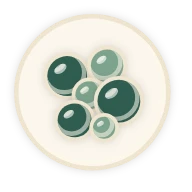
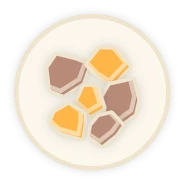
For fibroids, the material is tiny beads or small particles. They are made of plastic, and some types also contain gelatin from pigs. They stay in place for good.5 to 7
If you avoid pork products or have had a reaction to gelatin, tell your doctor before the procedure.5
How well does it work?
Good evidence suggests most women feel much better. Almost 9 out of 10 women see their symptoms improve. About 7 out of 10 women still feel better five years later. Most women feel just as satisfied as those who had surgery.
Some women may need more treatment: about 1 out of 4 may need another procedure down the line.
After ten years, about 2 out of 3 women avoided a hysterectomy entirely.12 to 17
Side effects
Results vary from person to person. Talk to a doctor about whether this is right for you.
Fibroids are growths in the uterus. They are not cancer. Many women have no symptoms and need no treatment. If you have heavy periods, pain, or pressure, embolization is not your only option. You can also consider medicines, other less invasive treatments, or surgery. The right choice depends on your symptoms and goals.2
If you have severe bleeding, severe pain, a fever, or feel very sick or faint, call 911.
Your other fibroid treatment options
Medicines
These treat symptoms like heavy bleeding and pain. No procedure is needed.
Medicines without hormones
Hormone medicines
Less invasive treatments
These treat fibroids or bleeding without major surgery. Your uterus stays in place. Before you agree to surgery, ask about these.
Fibroid embolization (UFE)See detailsRadiofrequency ablation
Heat from a small needle destroys the fibroid.2
Focused ultrasound
Sound waves, guided by an MRI scanner, heat and shrink the fibroid.18
- How invasive is it?
- There is no cut. Most women recover quickly.18
- How well does it work?
- Early studies suggest it eases symptoms. It fits only some fibroids. Some women need more treatment later. Not all insurance covers it.183132
- Side effects
- You may have belly pain. Skin burns or bruises can happen and usually heal in a week or two.18
Endometrial ablation
Heat or cold destroys the lining of the uterus to lighten periods.33
Surgery
Surgery removes the fibroids or the whole uterus.
Removal through the cervix
A thin camera and small tools remove fibroids growing inside the uterus.236
- How invasive is it?
- There are no cuts. Recovery takes a few days.10
- How well does it work?
- Early studies suggest it helps. It only works for fibroids inside the uterus. New fibroids can form later.12
- Side effects
- You may have cramps and light bleeding for a few days. Heavy bleeding, infection, or a tear in the uterus are rare.36
Myomectomy
Surgery removes the fibroids and leaves the uterus.2
- How invasive is it?
- It takes a larger cut in the belly or a few small cuts. Recovery takes about 2 to 6 weeks.10
- How well does it work?
- Good evidence suggests women's quality of life improves. It removes the fibroids the surgeon can see. Small or deep fibroids can be missed and cause problems later. The more fibroids you have, the harder it is to remove them all. New ones can also grow. About 1 out of 8 women may need another procedure down the line.2101637 to 39
- Side effects
- Bleeding, infection, blood clots, and harm to nearby organs can happen but are not common. Scar tissue forms inside the belly in most women. It can make organs stick together. It often causes no symptoms, but it can cause pain or block the bowel. After open surgery, up to 1 out of 5 people get a hernia at the scar.1040 to 42
Hysterectomy
Surgery removes the whole uterus.11
Learn more
What should I ask my doctor?
You can ask about any option on this page, even one your doctor does not offer.
- Which options could work for me, and which could not?
- How would each option affect a future pregnancy?
- How long would I need to recover?
- Do you offer embolization, or can you refer me to someone who does?
Common questions
Do I need treatment?
Not always. If you have no symptoms or only mild ones, your doctor can watch the fibroids with exams or an ultrasound. They often shrink after menopause.12
Are fibroids cancer?
No. Rarely, a growth that looks like a fibroid turns out to be cancer. This happens in less than 1 out of 200 women who have fibroid surgery.143
References
The small numbers on this page point to these sources.
- Office on Women’s Health, U.S. Department of Health and Human Services. Uterine fibroids. Updated February 28, 2025. Read November 1, 2026. https://womenshealth.gov/a-z-topics/uterine-fibroids
- MedlinePlus Medical Encyclopedia (U.S. National Library of Medicine). Uterine fibroids. Reviewed March 17, 2026. Read November 1, 2026. https://medlineplus.gov/ency/article/000914.htm
- MedlinePlus Medical Encyclopedia (U.S. National Library of Medicine). Vaginal or uterine bleeding. Reviewed October 15, 2024. Read November 1, 2026. https://medlineplus.gov/ency/article/007496.htm
- RadiologyInfo.org (Radiological Society of North America and American College of Radiology). Catheter embolization. Reviewed August 5, 2024. https://www.radiologyinfo.org/en/info/cathembol
- Merit Medical. Tris-acryl gelatin microspheres: instructions for use 404692001MLP_001. 2018. https://cloud.merit.com/catalog/IFUs/404692001MLP.pdf
- US Food and Drug Administration. 510(k) summary K203276: polyvinyl alcohol hydrogel microspheres (Biocompatibles UK). April 20, 2021. https://www.accessdata.fda.gov/cdrh_docs/pdf20/K203276.pdf
- Boston Scientific. Polyvinyl alcohol embolization particles: product information. Accessed November 11, 2026. https://www.bostonscientific.com/en-US/products/embolization/contour-pva-embolization-particles.html
- Society of Interventional Radiology. Uterine fibroids and uterine fibroid embolization (UFE). Read November 1, 2026. https://www.sirweb.org/for-patients/conditions-and-treatments/uterine-fibroids/
- MedlinePlus Medical Encyclopedia (U.S. National Library of Medicine). Uterine artery embolization. Reviewed February 3, 2025. Read November 1, 2026. https://medlineplus.gov/ency/article/007384.htm
- Cleveland Clinic. Myomectomy. Medically reviewed, updated January 11, 2023. Read November 1, 2026. https://my.clevelandclinic.org/health/articles/myomectomy
- MedlinePlus Medical Encyclopedia (U.S. National Library of Medicine). Hysterectomy. Reviewed March 17, 2026. Read November 1, 2026. https://medlineplus.gov/ency/article/002915.htm
- InformedHealth.org (Institute for Quality and Efficiency in Health Care, Germany). What are the pros and cons of uterine artery embolization? Updated June 24, 2025. Read November 2, 2026. https://www.informedhealth.org/what-are-the-pros-and-cons-of-uterine-artery-embolization.html
- Long-term outcome of uterine artery embolization of leiomyomata. Obstetrics and Gynecology. 2005;106(5 Pt 1):933-939. doi:10.1097/01.AOG.0000182582.64088.84. PMID 16260509. https://doi.org/10.1097/01.AOG.0000182582.64088.84
- Gupta JK, Sinha A, Lumsden MA, Hickey M. Uterine artery embolization for symptomatic uterine fibroids. Cochrane Database of Systematic Reviews. 2014;(12):CD005073. doi:10.1002/14651858.CD005073.pub4. PMID 25541260. https://doi.org/10.1002/14651858.CD005073.pub4
- Moss JG, Cooper KG, Khaund A, et al. Randomised comparison of uterine artery embolisation (UAE) with surgical treatment in patients with symptomatic uterine fibroids (REST trial): 5-year results. BJOG. 2011;118(8):936-944. doi:10.1111/j.1471-0528.2011.02952.x. PMID 21481151. https://doi.org/10.1111/j.1471-0528.2011.02952.x
- Daniels J, Middleton LJ, Cheed V, et al. Uterine artery embolization or myomectomy for women with uterine fibroids: four-year follow-up of a randomised controlled trial. European Journal of Obstetrics and Gynecology and Reproductive Biology: X. 2022;13:100139. doi:10.1016/j.eurox.2021.100139. PMID 34877531. https://doi.org/10.1016/j.eurox.2021.100139
- de Bruijn AM, et al. Uterine artery embolization vs hysterectomy in the treatment of symptomatic uterine fibroids: 10-year outcomes from the randomized EMMY trial. American Journal of Obstetrics and Gynecology. 2016;215(6):745.e1-745.e12. doi:10.1016/j.ajog.2016.06.051. PMID 27393268. https://doi.org/10.1016/j.ajog.2016.06.051
- RadiologyInfo.org (Radiological Society of North America and American College of Radiology). Uterine fibroid treatments: UFE and MRgFUS. Last reviewed October 31, 2024. Read November 1, 2026. https://www.radiologyinfo.org/en/info/uterine-fibroid-treatment
- Martin J, Bhanot K, Athreya S. Complications and reinterventions in uterine artery embolization for symptomatic uterine fibroids: a literature review and meta analysis. CardioVascular and Interventional Radiology. 2013;36(2):395-402. doi:10.1007/s00270-012-0505-y. https://doi.org/10.1007/s00270-012-0505-y
- U.S. Food and Drug Administration approved label (DailyMed). Tranexamic acid tablets. Label updated January 15, 2024. Read November 1, 2026. https://dailymed.nlm.nih.gov/dailymed/drugInfo.cfm?setid=128c39ce-f625-47ec-9efe-4de696e5220f
- Al-Hendy A, Lukes AS, Poindexter AN 3rd, et al. Treatment of uterine fibroid symptoms with relugolix combination therapy. New England Journal of Medicine. 2021;384(7):630-642. doi:10.1056/NEJMoa2008283. PMID 33596357. Funded by the drug maker. https://doi.org/10.1056/NEJMoa2008283
- U.S. Food and Drug Administration approved label (DailyMed). Elagolix, estradiol and norethindrone acetate capsules, for heavy menstrual bleeding with uterine fibroids. Revised December 2025. Read November 1, 2026. https://dailymed.nlm.nih.gov/dailymed/fda/fdaDrugXsl.cfm?setid=99f6eee7-7e52-6999-7eb8-488d06dd1710
- U.S. Food and Drug Administration approved label (DailyMed). Relugolix, estradiol and norethindrone acetate tablets. Revised August 2025. Read November 1, 2026. https://dailymed.nlm.nih.gov/dailymed/fda/fdaDrugXsl.cfm?setid=fc3feb73-cc84-43a8-aa32-b262460495e8&type=display
- U.S. Food and Drug Administration approved label (DailyMed). Leuprolide acetate for depot suspension 3.75 mg. Revised September 2025. Read November 1, 2026. https://dailymed.nlm.nih.gov/dailymed/fda/fdaDrugXsl.cfm?setid=00c486b0-bd7b-4898-834d-8c656e5e73cb
- American College of Obstetricians and Gynecologists. Management of symptomatic uterine leiomyomas: ACOG Practice Bulletin No. 228. Obstetrics and Gynecology. 2021;137(6):e100-e115. doi:10.1097/AOG.0000000000004401. PMID 34011888. Read through the ObG Project summary of the bulletin (June 27, 2021); the bulletin itself is behind a paywall. https://www.obgproject.com/2021/06/27/managing-fibroids-medical-and-surgical-options/
- U.S. Food and Drug Administration approved label (DailyMed). Levonorgestrel-releasing intrauterine system 52 mg. Revised October 2025. Read November 1, 2026. https://dailymed.nlm.nih.gov/dailymed/fda/fdaDrugXsl.cfm?setid=dcbd6aa2-b3fa-479a-a676-56ea742962fc&type=display
- Lukes A, Green MA. Three-year results of the SONATA pivotal trial of transcervical fibroid ablation for symptomatic uterine myomata. Journal of Gynecologic Surgery. 2020;36(5):228-233. doi:10.1089/gyn.2020.0021. PMID 33061253. Funded by the device maker. https://doi.org/10.1089/gyn.2020.0021
- Guido RS, Macer JA, Abbott K, Falls JL, Tilley IB, Chudnoff SG. Radiofrequency volumetric thermal ablation of fibroids: a prospective, clinical analysis of two years’ outcome from the Halt trial. Health and Quality of Life Outcomes. 2013;11:139. doi:10.1186/1477-7525-11-139. PMID 23941588. https://doi.org/10.1186/1477-7525-11-139
- Bradley LD, Pasic RP, Miller LE. Clinical performance of radiofrequency ablation for treatment of uterine fibroids: systematic review and meta-analysis of prospective studies. Journal of Laparoendoscopic and Advanced Surgical Techniques, Part A. 2019;29(12):1507-1517. doi:10.1089/lap.2019.0550. PMID 31702440. Abstract read. https://doi.org/10.1089/lap.2019.0550
- van der Meulen JF, Cooijmans TH, van Zutven VJ, et al. Long-term results of transcervical, intrauterine ultrasound-guided radiofrequency ablation of uterine fibroids: a retrospective follow-up study. AJOG Global Reports. 2022;2(4):100087. doi:10.1016/j.xagr.2022.100087. PMID 36536842. https://doi.org/10.1016/j.xagr.2022.100087
- U.S. Food and Drug Administration. Premarket approval P040003, supplement S015: magnetic resonance-guided focused ultrasound system for uterine fibroids, indications changed August 31, 2015 (first approved October 22, 2004). Read November 1, 2026. https://www.accessdata.fda.gov/scripts/cdrh/cfdocs/cfpma/pma.cfm?id=P040003S015
- Blue Cross and Blue Shield of North Carolina. Corporate medical policy: MRI-guided focused ultrasound. Last reviewed May 2026. Read November 1, 2026. https://www.bcbsnc.com/providers/policies-guidelines-codes/commercial/radiology/updates/mri-guided-focused-ultrasound
- MedlinePlus Medical Encyclopedia (U.S. National Library of Medicine). Endometrial ablation. Reviewed October 15, 2024. Read November 1, 2026. https://medlineplus.gov/ency/article/007632.htm
- Expert Panel on Interventional Radiology. ACR Appropriateness Criteria: Management of Uterine Fibroids, 2023 update. Journal of the American College of Radiology. 2024;21(6S):S203-S218. doi:10.1016/j.jacr.2024.02.022. PMID 38823944. Ratings read on the ACR web narrative (revised 2023), November 1, 2026. https://acsearch.acr.org/docs/69508/Narrative/
- U.S. Food and Drug Administration. Endometrial ablation for heavy menstrual bleeding. Content current as of October 25, 2021. Read November 1, 2026. https://www.fda.gov/medical-devices/surgery-devices/endometrial-ablation-heavy-menstrual-bleeding
- MedlinePlus Medical Tests (U.S. National Library of Medicine). Hysteroscopy. Read November 1, 2026. https://medlineplus.gov/lab-tests/hysteroscopy
- Manyonda I, Belli AM, Lumsden MA, et al. Uterine-artery embolization or myomectomy for uterine fibroids. New England Journal of Medicine. 2020;383(5):440-451. doi:10.1056/NEJMoa1914735. PMID 32726530. https://doi.org/10.1056/NEJMoa1914735
- Mayo Clinic. Myomectomy. Updated August 9, 2025. Read November 3, 2026. https://www.mayoclinic.org/tests-procedures/myomectomy/about/pac-20384710
- Aktoz F, Arslan T, Güzel Y. Intraoperative laparoscopic ultrasound during laparoscopic myomectomy: a narrative review. Journal of the Turkish-German Gynecological Association. 2024;25(3):179-183. doi:10.4274/jtgga.galenos.2024.2023-9-7. PMID 39219255. https://doi.org/10.4274/jtgga.galenos.2024.2023-9-7
- Practice Committee of the American Society for Reproductive Medicine. Postoperative adhesions in gynecologic surgery: a committee opinion. Fertility and Sterility. 2019;112:458-463. Read November 2, 2026. https://www.asrm.org/practice-guidance/practice-committee-documents/postoperative-adhesions-in-gynecologic-surgery-a-committee-opinion-2019
- Cleveland Clinic. Abdominal adhesions. Medically reviewed, updated April 1, 2024. Read November 2, 2026. https://my.clevelandclinic.org/health/articles/abdominal-adhesions
- Cleveland Clinic. Incisional hernia. Medically reviewed, updated March 24, 2025. Read November 2, 2026. https://my.clevelandclinic.org/health/diseases/incisional-hernia
- U.S. Food and Drug Administration. Power morcellation during gynecologic laparoscopic surgeries. Content current as of August 20, 2026. Read November 1, 2026. https://www.fda.gov/medical-devices/surgery-devices/power-morcellation-during-gynecologic-laparoscopic-surgeries